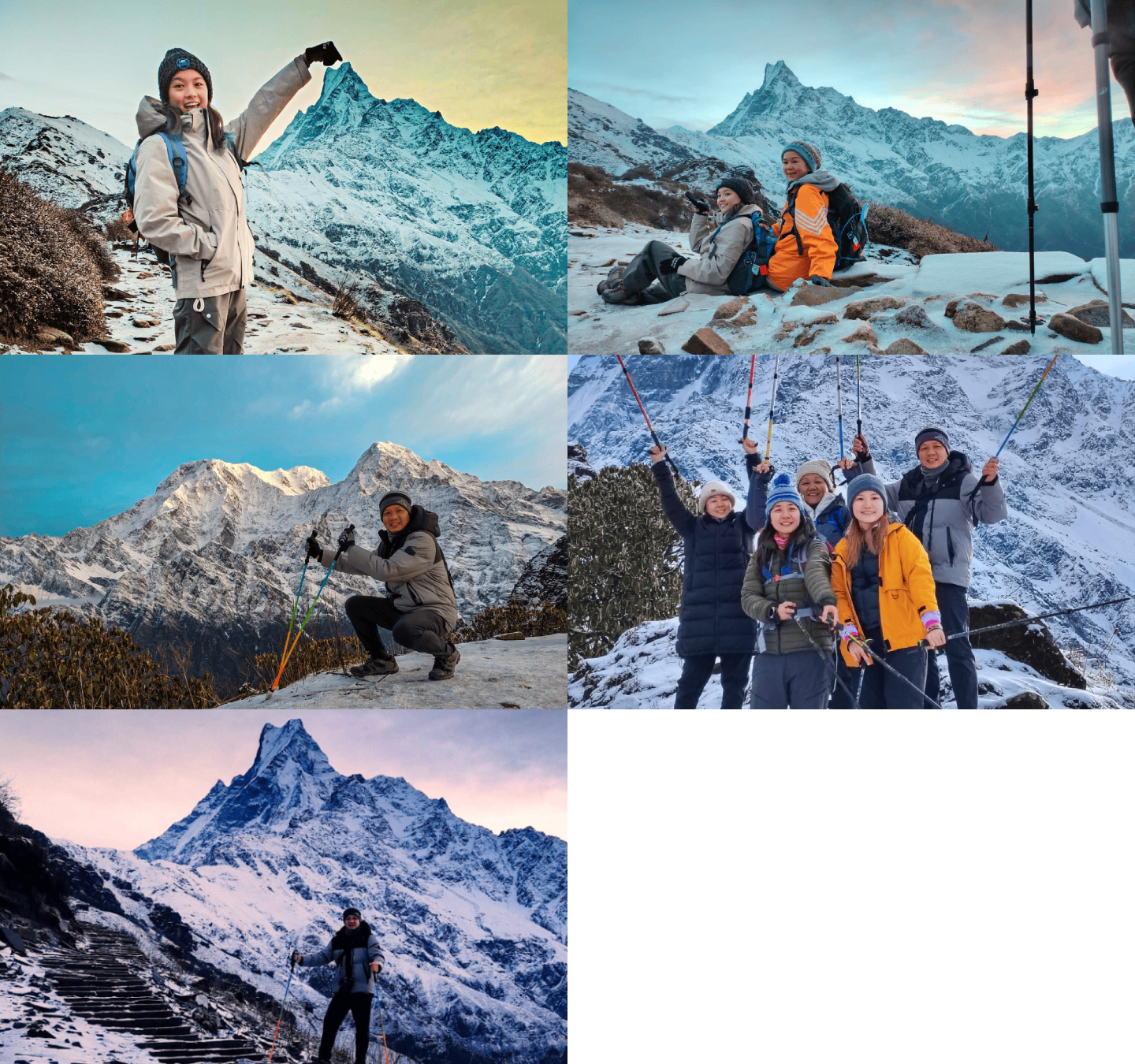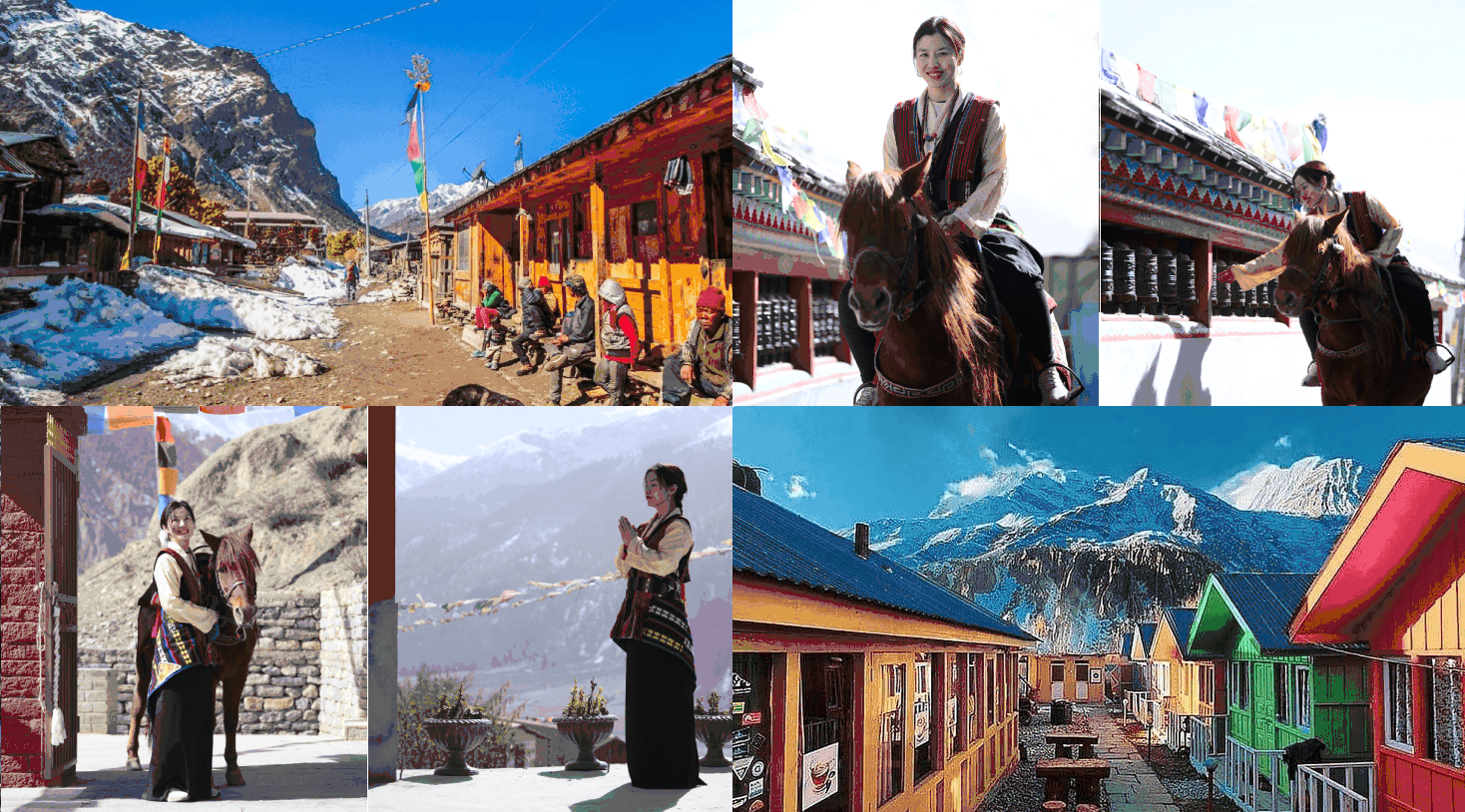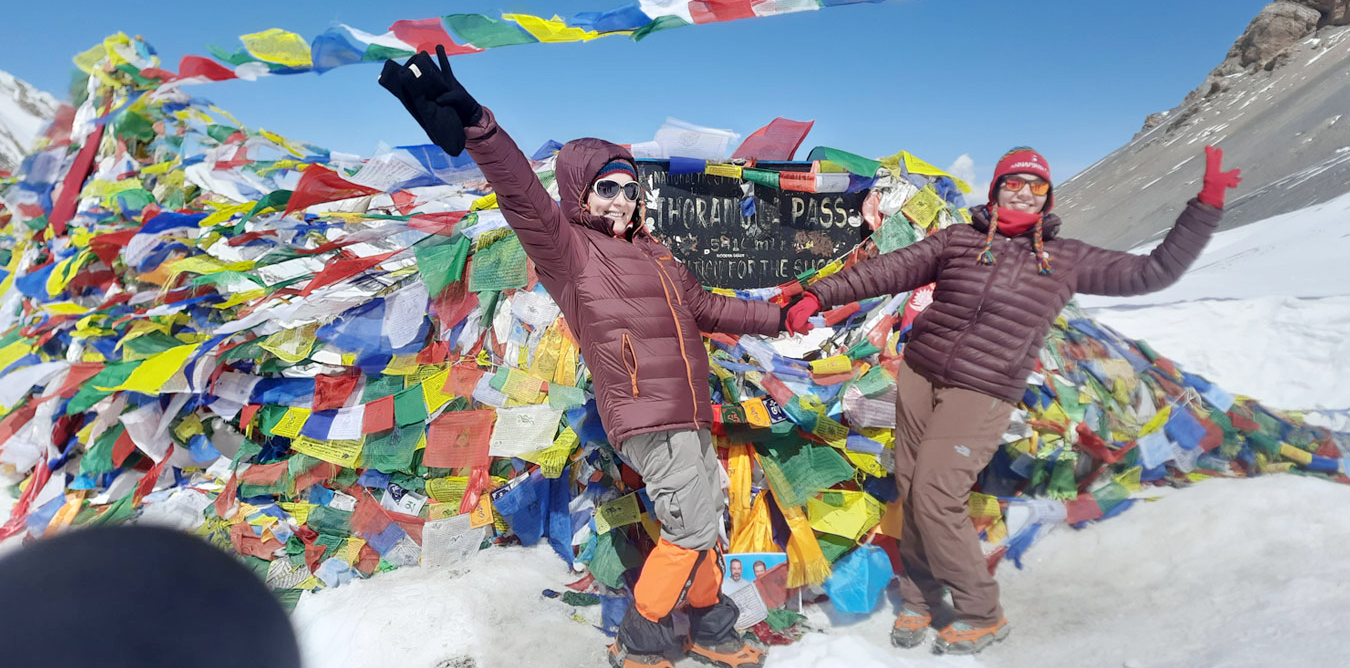
Explore the Best Nepal Tour Packages

In search of unlimited fun and adventure trips in Nepal? Sports Tours and Travel organizes best holiday tours and trekking with best prices. Get Best deals on adventure and holiday tours. Keep connecting with us for better prices.

Best Deal - 30% $384 $ 295.00

Everest Offer - 20% $1530 $ 1275.00

$ 785.00

Pilgrim Offer - 25% $874 $ 699.00

Trending Trip - 20% $528 $ 440.00

Seasonal Discount - 20% $576 $ 480.00

Seasonal Discount - 20% $1140 $ 950.00

$ 625.00

Discount - 24% $50 $ 40.00

$ 435.00

Manang Tour

Check This Trip
05 Days / 04 Nights

$ 295.00

Poon Hill Trek

Check This Trip
04 Days 03 Nights

Best Deal - 30% $553 $ 425.00

Special Discount - 20% $708 $ 590.00

Got Questions?

Nepal Tour & Trekking FAQs

Get answers to the most common queries regarding permits, packing, weather, and costs for our signature Nepal travel and trekking adventure packages.

The best time to book a Nepal tour package is during the autumn peak months of September, October, and November, or the spring window of March, April, and May. During these periods, skies remain clear for Himalayan sightseeing, temperatures are mild, and flight delays are minimal. Monsoon season runs from June to August, while winter brings heavy fog to the Terai plains in December and January.

A standard 7-day Nepal tour package typically costs between $500 to $1,200 USD per person, depending heavily on your group size, transport choices, and hotel categories. Budget packages utilizing 3-star hotels and private ground transport sit at the lower end. Premium luxury itineraries featuring 5-star properties like The Soaltee Kathmandu and domestic flights between Kathmandu and Pokhara average higher rates.

A classic Nepal tour itinerary generally includes the cultural heritage sites of Kathmandu Valley, the lakeside relaxation and mountain views of Pokhara, and wildlife safaris in Chitwan National Park. For extended trips, packages frequently add pilgrimage stops at Lumbini (the birthplace of Lord Buddha), mountain sunsets in Nagarkot, or fast-paced adventures like river rafting on the Trishuli.

Yes, a visa is required for most international travelers visiting Nepal, and it can be obtained easily via the Visa on Arrival service at Tribhuvan International Airport (KTM) in Kathmandu. On-arrival tourist visas are available for cash payments of $30 USD for 15 days, $50 USD for 30 days, or $125 USD for 90 days. Indian passport holders are exempt from visa requirements but must carry a valid passport or voter ID card.

Yes, you can fully customize any travel itinerary with Sports Tours & Travels. As a registered NATTA member, our team tailors daily sightseeing plans, alters hotel tiers from budget boutique to 5-star luxury, inserts domestic flight options, and adds specialized activities like a Himalayan Everest Mountain Flight based on your specific timeline and budget.

The absolute best seasons for an adventure trek package in Nepal are Autumn (September to November) and Spring (March to May). Autumn offers post-monsoon crisp air, maximum visibility of peaks like Everest and Annapurna, and stable weather. Spring features warmer daytime climbing temperatures and blooming rhododendron forests. Trekking during the winter brings extreme sub-zero cold, while Summer/Monsoon creates landslide risks.

Yes, valid travel insurance is mandatory for all high-altitude treks in Nepal. Your insurance policy must explicitly cover emergency medical evacuation by helicopter up to an altitude of 6,000 meters (20,000 feet). Standard travel insurance policies usually cap altitude coverage at 3,000 meters. Ensure your plan covers acute mountain sickness (AMS), trip cancellations, and lost baggage.

On classic Nepal routes like the Everest Base Camp or Annapurna Circuit, travelers stay in local tea houses (alpine lodges). Accommodations are basic but comfortable, featuring twin-sharing rooms with shared or attached bathrooms. Meals are served from a standardized menu including Dal Bhat (rice, lentil soup, and vegetable curry), pastas, potatoes, soups, eggs, and bread. High-density caloric food like Dal Bhat is highly recommended by guides as it is freshly prepared daily using local ingredients.

Trekking in Nepal requires specific regional entry permits depending on your chosen path:Everest Region: Khumbu Pasang Lhamu Rural Municipality Entry Permit (NPR 3,000) and the Sagarmatha National Park Entry Permit (NPR 3,000).Annapurna Region: Annapurna Conservation Area Project (ACAP) Permit (NPR 3,000) and a Trekkers' Information Management Systems (TIMS) Card (NPR 2,000).All official registrations and permits are arranged on your behalf by our agency before you depart Kathmandu.

The Everest Base Camp trek is classified as a strenuous, non-technical hike. It requires no mountaineering skills, but you will hike 5 to 7 hours daily over rocky terrain up to an altitude of 5,364 meters (17,598 feet). To prepare effectively, start cardiovascular training (running, swimming, cycling) and leg-strengthening exercises 3 to 6 months before your trip. Regularly hiking with a weighted daypack is the most realistic preparation for the trail conditions.